
Published August 31, 2026
Rent-Back Agreements: Sell Your Home Now, Move Out Later

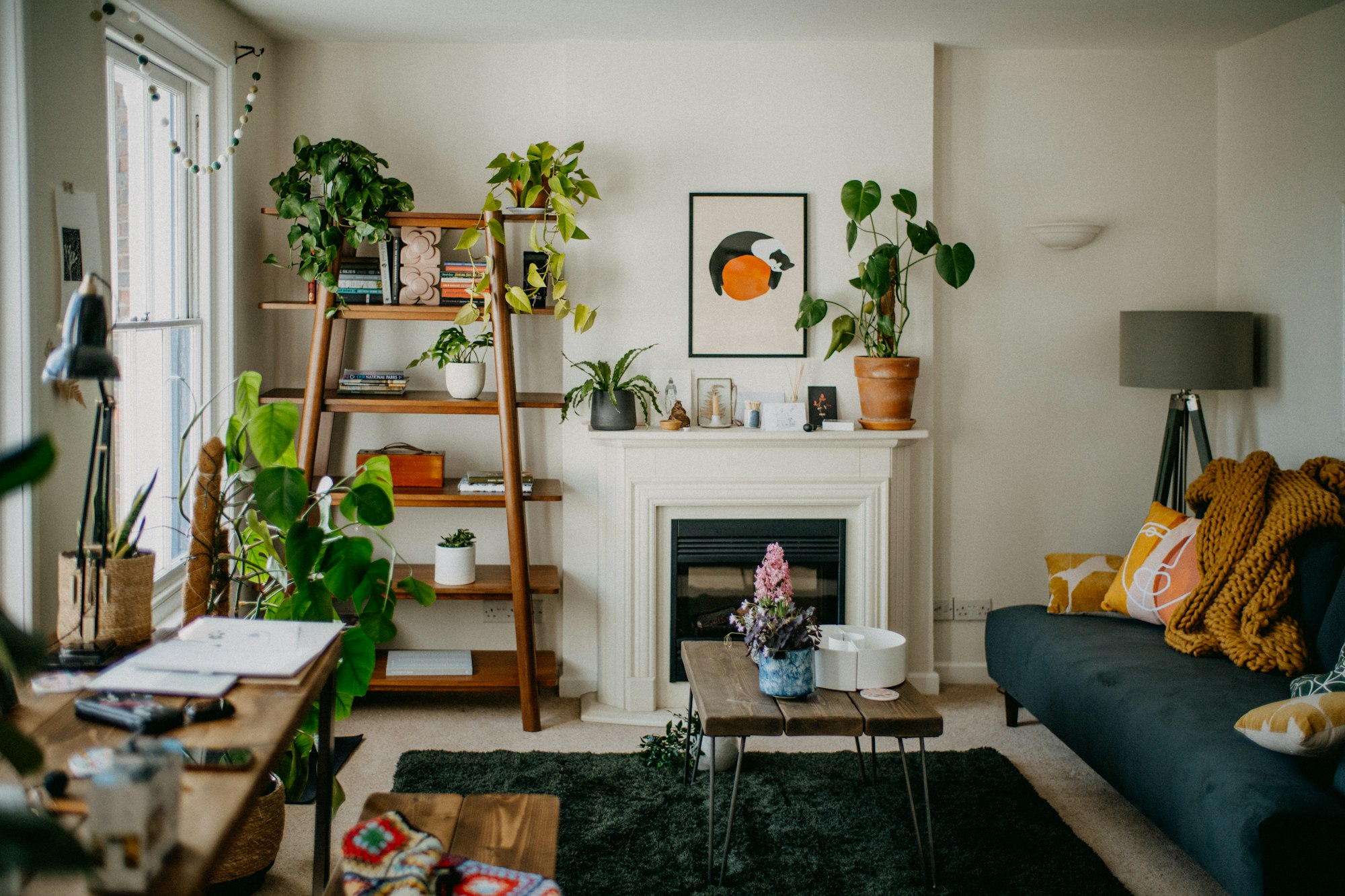
Of all the tools I use to help families sell one home and buy the next, this is the one that makes people say, "Wait, you can do that?"
Yes. It's called a rent-back (you'll also hear "seller lease-back"), and it solves the scariest part of selling first: the fear of closing escrow with nowhere to go. Here's how it actually works.
What a rent-back is
Simple version: you sell your home, escrow closes, the buyer officially owns it, and instead of handing over the keys that day, you stay in the house for an agreed period while you close on your next home and get moved. You're essentially the new owner's short-term tenant, on terms we negotiate as part of the sale itself.
In my transactions, rent-backs typically run 30 to 60 days. That window is usually plenty: enough time to close on the next house, book real movers, and leave once, instead of the dreaded double move through a short-term rental with your life in a storage unit.
What it costs (sometimes: nothing)
Here's the part that surprises people. The rent-back is a negotiated term of the sale, like price or closing date, and I can often negotiate it at no cost to you. In a competitive situation, a buyer who wants your house will frequently agree to a free rent-back to win it. Sometimes the buyer asks for a deposit instead, held as security and returned when you hand over the keys as agreed.
One thing to plan for either way: during the rent-back, you're still living there, so you continue covering the monthly upkeep you'd cover anyway. Landscaping, pool service, pest control, utilities: those stay yours until you move out. Reasonable, and worth budgeting so nothing surprises you.
Why move-up families love this
The rent-back is the backbone of the "sell first" strategy, and selling first has one giant advantage: certainty. You know exactly what your home sold for. Not an estimate, a closed number. So when you make an offer on the next house, there's no home-sale contingency attached. Your offer competes at full strength, backed by money that's already real.
The rent-back is what makes that possible without the "where do we live?" panic. Sell with strength, then shop with strength, all from the comfort of the house you're still living in.
And it's not just for buyers. I recently helped two sisters sell their father's home in Oceanside after he passed. A 30-day rent-back meant nobody had to rush through a house full of his memories on an escrow deadline. They had time to do it right, and we found the next home within that same window. Sometimes the thing a rent-back buys isn't logistics. It's grace.
How to protect yourself
A rent-back is a real agreement with real terms, and I insist on getting them right: the length, any rent or deposit, who's responsible for what if something breaks during the stay, and exactly what happens on move-out day. Documented properly (California has standard forms for exactly this), a rent-back is boring in the best way: everyone knows the plan, and everyone follows it.
Two practical notes from experience. First, be realistic about the length you ask for. Buyers with their own timelines generally can't offer an open-ended stay, which is why 30 to 60 days is the workable zone. Second, treat the move-out date as sacred. The families who love their rent-back are the ones who book the movers the day escrow closes.
Is this your path?
The rent-back is one of the ways I help families bridge the gap between selling and buying, alongside contingent offers and buy-first financing like bridge loans, HELOCs, and cross-collateral lending. Which one fits depends on your equity, your market, and your nerves. My free Room to Grow guide walks through my whole 6-step process, including how we decide together whether your family should buy first or sell first.
Or just ask me directly: call or text (760) 521-6559. Tell me about your house and your timeline, and I'll tell you whether a rent-back is your family's way to move once, calmly, instead of twice, frantically.
Warmly,
Jessica